Baseball Heart Svg Review: Baseball Stitch Design Tested
First Look at the Baseball Heart Shape and Stitch Personality
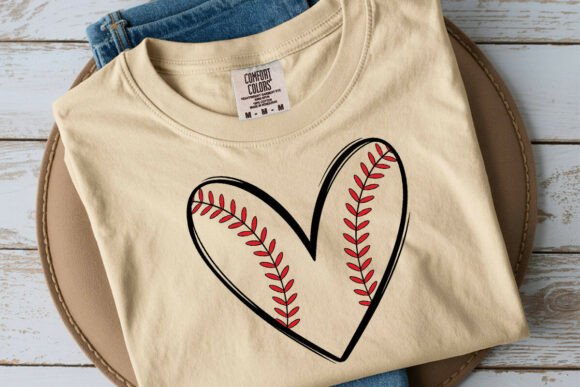
When I opened the Baseball Heart Svg, Baseball Stitch file, the first thing I noticed was how naturally the heart shape blends with the baseball stitching motif. It is not trying too hard to be clever. The curved stitch lines that run across the heart feel familiar, like something you would see on a worn leather glove or a well-loved baseball. That immediate recognition is what makes a design work in the Crafts space. People need to understand the visual in under a second, especially when it sits on a handmade product at a market booth or in an Etsy thumbnail.
From a designer perspective, the mood is warm and nostalgic without tipping into overly sentimental territory. The baseball stitch pattern gives the heart a textured, sporty personality that balances the sweetness of the heart silhouette. It feels like a design created for someone who loves the game but also appreciates a softer, more personal touch. That is a narrow and valuable niche. Think about the baseball mom who does not want a loud, aggressive graphic but still wants to wear her pride visibly. This design speaks directly to her.
Where This Design Naturally Belongs in a Real Embroidery Project
I mentally placed the Baseball Heart Svg, Baseball Stitch onto several products as part of my evaluation routine. The first clear winner was a classic cotton tote bag. The heart shape fills the front panel beautifully without overwhelming the bag's proportions. The stitched baseball lines would read clearly even from a few feet away, and the simplicity of the design would let the thread texture do the talking. A single-color stitch in a deep red or vintage cream would look sharp on natural canvas.
Custom apparel is another strong category. I imagined a lightweight sweatshirt with the design embroidered on the left chest, something understated but meaningful. The heart motif combined with the baseball stitch detail makes it ideal for personalized gifts. A monogram or a short name could sit beneath it without competing for attention. For baby items, the design scaled down nicely in my mind. A tiny version on a soft cotton onesie or a baby blanket corner would feel thoughtful and unique. The baseball stitch detail adds just enough texture to keep the tiny embroidery interesting without becoming a stiff patch on delicate fabric.
Patches and caps deserve a mention too. The design would work as a standalone embroidered patch, especially if the stitch lines are executed with a dense satin stitch that mimics real leather stitching. On a curved cap surface, the heart shape holds its readability well, though I would test placement carefully on structured caps with a center seam. The design is symmetrical enough to center easily, but the curve of the cap crown can distort the bottom point of the heart if the hoop is not positioned correctly.
Testing the Stitch Lines and Scale in a Real-Life Scenario
Last week, I prepared a custom canvas tote bag for a client who wanted a small batch of boutique products for a local baseball league fundraiser. The brief was simple: create something that moms and young players would both feel good carrying. I pulled the Baseball Heart Svg, Baseball Stitch into my workflow and ran a test stitch on a scrap of medium-weight cotton twill with a medium cutaway stabilizer. The design was part of a Graphics bundle I had been organizing, and I wanted to see how cleanly the stitch lines would translate from a digital file to a real embroidered finish.
The first test revealed what I expected. The baseball stitch curves that define the heart shape need consistent spacing to avoid looking messy. If the stitch density is too high, the curved lines lose their distinct character and start blending into a solid block. If the density is too low, the lines look fragile and unfinished. The sweet spot, in my experience, is a medium-density satin stitch with a slight angle adjustment to follow the curve of each line. I also recommend slowing down the machine speed for the curved sections. Fast stitching on tight curves can cause slight misregistration, and on a design where the stitch lines are the main visual feature, even a tiny wobble is noticeable.
I tested the design at three different sizes. At around four inches wide, the heart had excellent presence on the tote bag front. The stitch lines were wide enough to show the texture clearly. At two and a half inches, the design still read well but the stitch lines became tighter, and I noticed the need for a sharper needle and a lighter thread tension to keep the fabric from puckering. Below two inches, the baseball stitch detail started to lose definition. The space between stitch lines closed up, and the heart became more of a solid shape with faint line suggestions. I would not recommend going below two inches for this design unless you are using a very fine thread and a small needle on a tightly woven fabric.
Fabric Choices That Help or Hurt the Finished Look
Not every fabric is a good partner for the Baseball Heart Svg, Baseball Stitch design. I tested it on cotton twill, fleece, and a stretchy polyester blend. The cotton twill gave the cleanest result. The stitch lines sat on top of the fabric with sharp definition, and the stabilizer did its job without any shifting. The fleece was trickier. The nap of the fabric can swallow fine stitch details, and the baseball stitch lines looked slightly blurred under the surface fibers. If you are working with fleece or a plush fabric, I recommend using a water-soluble topper to keep the stitches from sinking in. It adds a step to the process but makes a visible difference in the crispness of the stitched lines.
The stretchy polyester blend taught me another lesson. The heart shape, with its curved stitch lines, can distort slightly if the fabric shifts during hooping. A firm stabilizer and a basting stitch around the design area are essential on stretchy fabrics. Without them, the bottom point of the heart can pull slightly to one side, and the symmetry of the baseball stitch pattern suffers. On dark fabrics, the design works well with a contrasting thread color. A white or cream stitch on a navy or charcoal fabric creates a vintage baseball feel that looks intentional and polished. On light fabrics, a deep red or navy thread keeps the design grounded and sporty.
How the Design Affects Product Value and Customer Perception
There is a quiet confidence in the Baseball Heart Svg, Baseball Stitch design that translates well to finished products. When a customer sees it on a tote bag, a sweatshirt, or a baby blanket, the reaction tends to be immediate recognition followed by a smile. The design does not shout. It communicates the love of the game through a shape that already carries emotional weight. That combination of sport and sentiment is what makes it sellable. It is not just a baseball design. It is not just a heart design. It is both, and that dual meaning gives it a broader appeal than a straightforward sports logo or a plain decorative heart.
For Etsy sellers and small shop owners, the design adds perceived value to handmade products. A tote bag with this embroidered design feels more intentional and boutique-worthy than a plain printed version. The stitch texture elevates the product from a simple craft item to something that looks professionally made. When customers see the baseball stitch detail rendered in thread, they understand the craftsmanship that went into it. That builds trust and encourages repeat purchases. The design also photographs well for product listings. The stitch lines create natural shadow and depth, which makes the embroidery stand out in flat-lay images and close-up shots.
Practical Notes for Designers and Small Business Owners
Before you commit to a production run, I always recommend testing the Baseball Heart Svg, Baseball Stitch on the exact fabric and product you plan to sell. Run a full stitch test with the stabilizer, thread colors, and hoop size you will use for the final project. Check the stitch density against the fabric weight. A design that stitches perfectly on canvas might feel too stiff on a lightweight t-shirt or a baby onesie. The goal is to find the balance where the design holds its shape without making the fabric feel like a rigid patch.
Thread color selection matters more than it might seem. The baseball stitch lines are the defining feature of this design, and if the thread color blends too closely with the fabric, the lines disappear. Test the design in a black and white mockup to see if the contrast holds up. If the heart shape still reads clearly without color, the contrast is strong enough. If the design looks like a blurry oval, adjust the thread color or fabric choice until the stitch lines pop.
Licensing is another practical step that cannot be overlooked. The product description mentions a ZIP file with separate files for single designs and bundles. Before you use the design on products you intend to sell, confirm the commercial use terms. Many digital embroidery files come with restrictions on the number of finished items you can sell or require attribution. Do not assume unlimited commercial use unless the seller explicitly states it. Checking this detail protects your business and keeps your product listings compliant.
Hoop size is a question I get asked often. The design's scale determines the minimum hoop requirement, and you should measure the design dimensions in your embroidery software before hooping. If the file includes multiple sizes, test the size that best fits your most common product. For tote bags and sweatshirts, a four-inch hoop is usually sufficient. For smaller items like baby clothes or caps, you may need to use a smaller size from the bundle and test the stitch clarity at that reduced scale. Always confirm the design fits comfortably within your hoop without crowding the edges, which can cause registration issues.
Final Thoughts from the Workbench on Everyday Use
After running multiple tests and thinking through how the Baseball Heart Svg, Baseball Stitch performs in real embroidery situations, I see it as a reliable, versatile design that fits neatly into a craft business workflow. It is not a complex, multi-color design that requires hours of thread changes and constant monitoring. It is straightforward, clean, and built around a concept that people genuinely connect with. For personalized gifts, boutique apparel, nursery decor, holiday items, and small shop merchandise, it does exactly what a good embroidery design should do. It looks like it belongs on the product, it stitches cleanly when the settings are right, and it makes the finished item feel more special than a blank canvas ever could.
Test it on scrap fabric first. Dial in your stabilizer and thread tension. Choose a fabric that lets the stitch lines breathe. Then stitch it onto something that will see real use, a tote bag that goes to the farmers market, a sweatshirt worn to a little league game, a baby blanket that becomes a keepsake. That is where the Baseball Heart Svg, Baseball Stitch finds its purpose and proves its value as a working design asset in a maker's collection.