Love Ice Hockey SVG: A Designer’s Real-World Embroidery Review
First Impressions: Bold, Playful, and Ready for the Rink
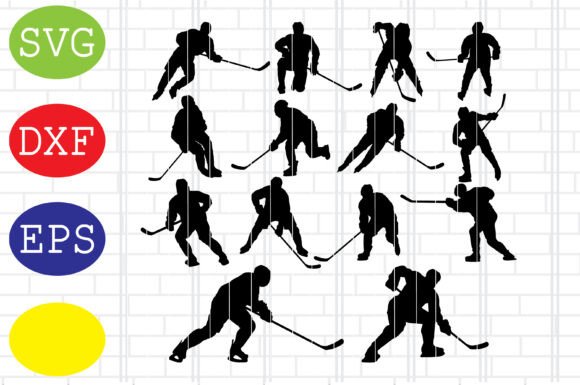
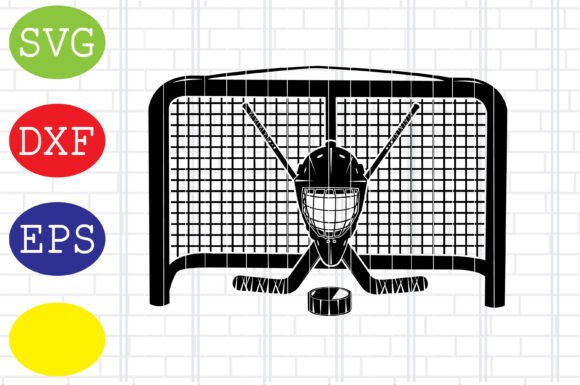
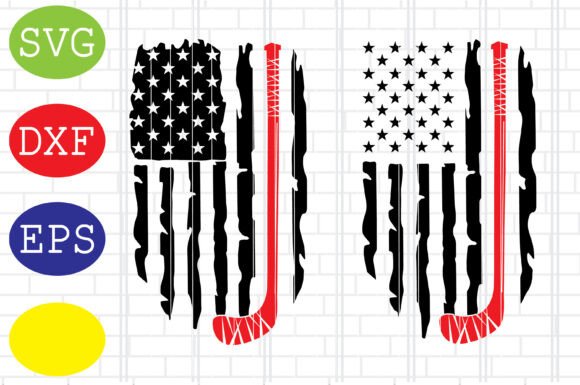
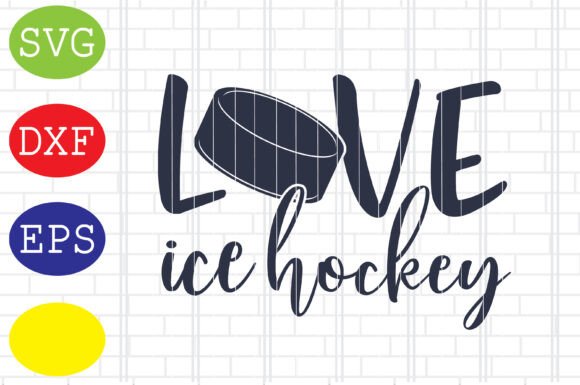
When I opened the Love Ice Hockey SVG zip file—containing SVG, DXF, JPG, and EPS formats—I wasn’t just scanning for file types. I was asking: *Does this feel like something I’d confidently stitch on a client’s custom sweatshirt or list in my Etsy shop as a premium embroidery file?* The answer, after zooming in and rotating it across three design apps, is yes—but with nuance. The composition balances heart-shaped curves with sharp hockey stick angles and stylized puck motion. It’s not overly literal (no tiny helmets or arena logos), which actually works in its favor: clean enough for baby onesies, spirited enough for adult gear, and legible even at 3.5" wide—the sweet spot for tote bag designs or left-chest embroidery.
This Isn’t Just a Graphic—It’s a Handmade Product Catalyst
I tested Love Ice Hockey SVG by planning a real project: a limited-run batch of embroidered cotton twill aprons for a local rink-side café pop-up. Why aprons? Because they demand clarity at arm’s length, tolerate moderate stitch density, and need to survive daily laundering. The design scaled cleanly down to 4" without losing definition in the “love” script or the hockey stick silhouette. On screen, it reads as warm and inclusive—not aggressive or hyper-masculine—making it unexpectedly versatile for gender-neutral baby embroidery, holiday gifts for hockey moms and dads, or even wedding favors for couples who met at a pond hockey tournament.
Where It Shines (and Where You’ll Want to Pause)
Love Ice Hockey SVG performs best when treated like a confident supporting player—not a solo headline act. Here’s how it landed across real use cases:
- Custom apparel: Crisp on midweight sweatshirts and structured tote bags—especially with a light tear-away stabilizer. The satin-stitch-ready outlines hold up well on knit blends if hooped tautly.
- Embroidered patch: Excellent candidate for heat-seal or sew-on patches. The enclosed shape and balanced negative space prevent fraying at edges during cutting.
- Baby embroidery: Works beautifully on onesies and burp cloths—if you reduce size to 2.75" and simplify thread colors (e.g., navy + white instead of five shades). Avoid dense fill areas near neck seams.
- Holiday embroidery: Paired with red-and-white thread on kitchen towels or flannel blankets, it reads instantly as festive winter sport—not generic “winter.” No snowflakes needed.
But here’s where attention matters: the small “love” script inside the heart uses fine running stitches that can blur on stretchy fabric or low-thread-count tees. And while the hockey stick’s angled shaft looks dynamic on screen, it creates tight corners that may require slightly reduced stitch density on older machines—or extra backing on textured fabrics like terry cloth or fleece.
What It Adds (and Doesn’t Add) to Your Craft Business
As an Etsy seller and small shop product developer, I judge digital embroidery files not just by prettiness—but by how they affect perceived value, buyer trust, and repeat engagement. Love Ice Hockey SVG strengthens all three—if used intentionally. Its warmth invites personalization (“Add your team name below!”), its simplicity keeps production time low, and its cross-generational appeal means one listing can serve hockey fans, crafters, gift shoppers, and boutique buyers alike. That versatility directly supports brand consistency: whether you’re selling embroidered pillow covers or printable mockups for other designers, this file feels cohesive—not like a clipart afterthought.
That said, it won’t replace a fully digitized machine embroidery design. Since only vector and raster files are included—not pre-digitized .pes, .dst, or .jef formats—you’ll need to digitize it yourself or hire a digitizer. That’s not a flaw—it’s context. For embroidery designers building custom assets, it’s ideal raw material. For hobbyists new to digitizing, it’s a great learning file—but test first.
Practical Designer Notes Before You Stitch
- Always test on scrap fabric matching your final product—especially for dark fabric (check white thread coverage) or textured surfaces like canvas tote bags.
- Review stitch density in your digitizing software. The original SVG has no built-in density data—so avoid overloading small details like the heart’s inner curve.
- Confirm hoop size compatibility. At full scale (5"), it fits standard 5x7 hoops—but verify before stitching on curved caps or tight garment seams.
- Inspect small lettering and corners at 200% zoom. Adjust pull compensation if needed for satin-stitched edges.
- Test black-and-white mockups to assess contrast—this design relies on clean line weight, not color complexity.
- Use appropriate stabilizer: medium-weight cutaway for knits, lightweight tear-away for stable wovens like tea towels or apron fabric.
- Check licensing terms before selling finished products or bundling the SVG as part of a commercial embroidery kit. The description doesn’t specify license type—so verify before scaling for your craft business.
Final Thought: A Thoughtful Addition to Your Design Assets
Love Ice Hockey SVG isn’t flashy—but it’s thoughtful. It respects the craft behind embroidery: the need for clarity under thread, the rhythm of stitch placement, the quiet pride in a handmade product that feels both personal and polished. Whether you're designing for a youth league fundraiser, launching a seasonal Etsy collection, or stitching personalized gifts for lifelong fans, this file earns its place—not as a novelty, but as reliable, mood-right design assets. It reminds me why I love this corner of the Crafts world: where graphics meet texture, where winter sport meets heartfelt detail, and where every stitch tells a story worth wearing.