Mom and Babies Hands with Flower: A Designer’s Embroidery Review
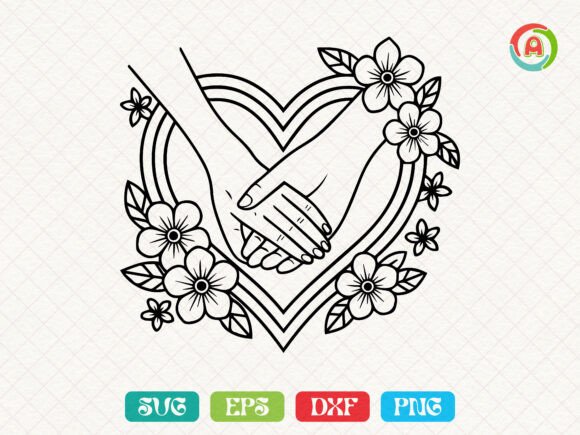
When I first opened the Mom and Babies Hands with Flower file, I saw a design that doesn’t just describe a feeling—it stitches it. The silhouette of a larger hand gently holding two tiny hands, with a delicate flower blooming where the palms meet, creates an instant emotional anchor. For anyone who works with baby gifts, Mother’s Day items, family keepsakes, or nursery decor, this visual lands with a quiet confidence. The lines are clean, the composition is balanced, and the mood is tender without being overly sentimental. As a designer who has digitized hundreds of artwork files for embroidery, I immediately started thinking about how those curves would translate into thread, and how the design would read once it became a finished product on a tote bag, a onesie, or a throw pillow.
The file set arrives as a ZIP containing EPS, SVG, DXF, and PNG formats. That’s a solid toolkit. The vector files (EPS, SVG, DXF) promise seamless scalability, which is exactly what you need when you’re planning embroidery across multiple hoop sizes. The PNG gives you a quick preview and a raster option for mockups, product photos, or digital listings. Whether you’re an Etsy seller preparing a listing image, a craft business owner testing a design on a virtual tote bag, or a hobbyist looking to digitize for the first time, having these formats under one download makes the workflow smoother. The product description mentions an easily adaptable color palette, and that’s true—you can open the vector file in any design software and shift the flower’s hue to match a specific thread brand, or turn the whole thing into a monochrome line art for a subtle, minimalist embroidery.
Why This Design Works for Embroidery Projects
From a purely practical standpoint, the Mom and Babies Hands with Flower design has the kind of clarity that embroidery digitizers dream about. The hands are drawn with smooth, distinct outlines, and the flower sits in a central focal point that doesn’t rely on ultra-fine details. Even at a reduced size—say, for a baby bib or a cap front—the essential shapes remain legible. The open areas between the fingers and around the petals give breathing room, which translates to satin stitch and fill stitch that won’t turn into a muddy mess. This is a huge plus when you’re working with a machine embroidery design that you’ll be digitizing yourself, or when you’re handing the artwork off to a professional digitizer to create the embroidery file.
I also appreciate that the design doesn’t try to do too much. It’s not cluttered with text or excessive decorative elements. That means you can use it as a standalone focal point on a sweatshirt, a tote bag, or a patch, and it will hold its own. If you want to personalize it, you can easily add a name or date in a circle around the hands, or place a small script beneath the flower. The scalability of the vector files lets you adjust the size to fit anything from a 4×4 hoop to a larger 8×12 hoop without losing edge quality, provided you pay attention to the minimum detail size during digitizing.
A Real Test: Custom Tote Bag for a New Mom
I recently pulled up the Mom and Babies Hands with Flower SVG file to prepare a custom embroidered tote bag for a client who wanted a gift for her sister’s baby shower. The plan was to stitch the design on a sturdy cotton canvas tote in a soft cream color, using a palette of dusty rose, sage green, and charcoal gray threads. The vector file accepted the color edits immediately—I swapped the original flower tones to dusty rose, and the leaves to a muted sage. I then exported the design to my embroidery software for digitizing. The hands were set as satin stitch outlines with a medium density, and the flower bloom was filled with a light tatami fill stitch to keep the texture soft and pliable on the bag fabric.
During the test stitch, the shape held beautifully. The sweep of the hands was smooth, and the flower petals didn’t pull or pucker even without overly dense underlay. The thread colors popped against the neutral background, and the overall look was polished enough for a boutique product. This is the kind of design that makes a personalized gift feel upscale. Customers browsing a handmade shop or an Etsy listing would see that tote bag and instantly connect it with warmth, family, and care—exactly the kind of emotional hook that moves a browser to a buyer.
Where the Design Shines in Commercial and Craft Use
The Mom and Babies Hands with Flower fits naturally into a wide range of embroidery projects and products. Think about the following:
- Custom apparel: sweatshirts, t-shirts, and hoodies for moms or grandmothers. The design works on the chest, sleeve, or even a back yoke.
- Baby and children’s items: onesies, bibs, tiny tees, or receiving blankets. Because the artwork is vector, you can scale it down for infant clothing without losing the hands’ definition.
- Tote bags and carryalls: a canvas tote or a zippered pouch with this design makes a memorable gift for a new parent, a doula, or a nurse.
- Patches: digitize it as a standalone patch with a merrowed edge or a raw-edge appliqué look. Patches sell well at craft fairs and online.
- Pillow covers and home decor: a linen pillow cover with this design adds a gentle, handmade touch to a nursery or a living room.
- Aprons and kitchen towels: for Mother’s Day or a baby shower brunch, an embroidered apron with the hands and flower motif feels both practical and symbolic.
- Holiday and seasonal gifts: adapt the flower color to match spring pastels or autumn tones, and you’ve got a versatile design that works year-round.
For Etsy sellers and small business owners, this design also works as a printable mockup asset. The PNG file can be layered over a photo of a blank product to create a digital preview, saving you time and letting customers see exactly what they’re getting before you stitch a single thread. The vector files are also a bonus for boutique branding—you can use them on hang tags, packaging inserts, or social media graphics without quality loss.
A Few Things to Watch Before You Stitch
No design is perfect for every situation, and Mom and Babies Hands with Flower has a few areas where you’ll want to exercise your judgment as an embroidery designer.
Small Hoop Sizes and Fine Details
If you’re planning to stitch this on a very small hoop—say, under 3 inches wide—the gaps between the fingers and the tiny petal details may start to close up. While the overall silhouette will still read, the delicate separation between the hands could become a blob of thread. I recommend testing the digitized version at your intended size on a scrap of fabric first. If the flower center is too intricate, consider simplifying it to a few clean lines or a satin-stitch dot to keep the design crisp. The vector file gives you the freedom to edit before digitizing, so take advantage of that.
Fabric Textures and Stretch
Stretchy fabrics like jersey knits or thin ribbed cuffs can distort the smooth curves of the hands and petals. Always use a proper stabilizer—a cutaway for knits, a tearaway for stable wovens—and consider a water-soluble topper for textured fabrics like terry cloth or fleece, so the satin outlines don’t sink into the pile. On dark fabric, light thread colors for the hands may need a slightly denser underlay to prevent the fabric color from showing through. Conversely, if you stitch the design in all dark thread on a light background, the contrast will keep it sharp.
Curved Surfaces and Positioning
If you’re embroidering on a cap, keep the design size moderate and place it on the front panel or the side. The gentle curve of the hands already lends itself to a rounded shape, but the flower at the center should stay aligned with the cap’s seam to avoid awkward distortion. For thick-layered garments, like a hoodie with a front pocket, make sure the design placement avoids seams and zippers that could interrupt the embroidery.
Practical Designer Notes for a Smooth Workflow
As someone who has been burned by skipping the setup steps, I always follow a few ground rules when I work with a new graphic design like this one. These apply whether you’re stitching for yourself, for a client, or for a commercial product line.
- Digitize thoughtfully: The EPS and SVG files give you clean paths. Use them as a base to create your embroidery file, and pay attention to stitch density. Too much density will make the hands feel stiff; too little and the design may look sparse.
- Check thread color contrast: Before you commit to a full run, stitch a small color swatch on your chosen fabric. What looks good on screen may not read the same way in thread, especially when the flower color is close to the fabric color.
- Test in black and white: Convert the design to grayscale to see if the values hold up. If the hands and flower blend together in monochrome, you might need to adjust the outline thickness or add a subtle contour stitch.
- Confirm your hoop size: Measure the final digitized design dimensions and compare them to your hoop’s stitchable area. Don’t forget to leave a margin for the hoop’s inner edge.
- Use the right stabilizer: The fabric type should dictate your stabilizer choice. For a tote bag, a medium-weight cutaway works well. For a lightweight baby onesie, a soft tearaway or a fusible mesh keeps the back comfortable.
- Review the licensing terms: The product description mentions you get a ZIP with these files, but it doesn’t spell out the commercial license. Before you sell finished items with this design, or include it in a digital design bundle, confirm what’s allowed. The fact that vector files are included suggests the designer intends for creative use, but always double-check.
- Keep a stitch-out sample: Once you have a successful test, keep it. Show it to customers, photograph it in natural light, and use it as your proof of quality. This builds trust and sells the product before you even list it.
How the Design Elevates a Handmade Business
When you’re running a small shop, every design you choose becomes part of your brand story. Mom and Babies Hands with Flower carries a universal message that doesn’t go out of style. It works for spring collections, Mother’s Day promos, baby shower collaborations, and even sympathy or remembrance pieces. The adaptability of the vector format lets you tweak the flower’s color to match the latest Pantone trends or a customer’s specific nursery theme, making each finished product feel bespoke without requiring you to redraw the artwork from scratch.
I’ve found that designs with this level of emotional clarity tend to perform better in a handmade product lineup because they resonate at a glance. A customer browsing a craft fair booth or scrolling through an Etsy feed will pause on the image of a mother’s hand cradling a baby’s hand with a flower. That pause is the first step toward a sale. The clean lines also photograph well, which is critical for digital product listings where the first impression is often a thumbnail on a phone screen.
Final Thoughts from the Embroidery Frame
After testing the Mom and Babies Hands with Flower on natural canvas, cotton twill, and a soft French terry, I’m confident calling it a solid addition to any embroidery designer’s asset library. It’s not a pre-digitized embroidery file, so you’ll need to invest a little time in digitizing or pay a professional to do it. But the quality of the provided vector artwork makes that step straightforward. The design’s emotional punch, combined with its practical scalability, gives it a long shelf life across multiple product categories. Whether you’re stitching a one-off gift for a friend or building a full line of custom apparel for your online store, this design delivers on the promise of tenderness and professionalism. Keep your stabilizer close, test your thread colors, and you’ll have a piece that speaks directly to the hearts of your customers.