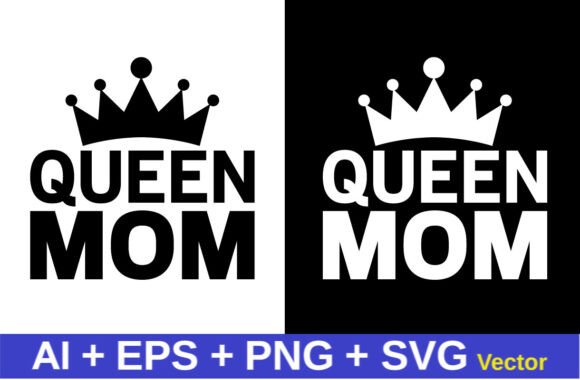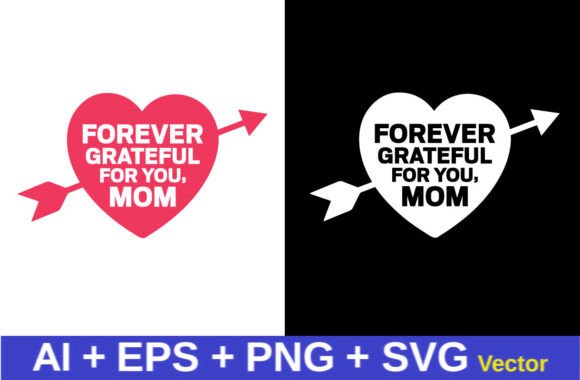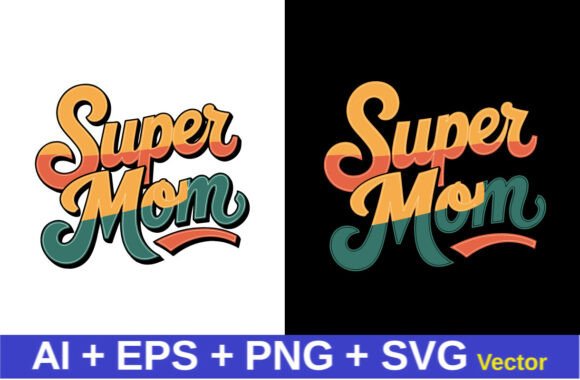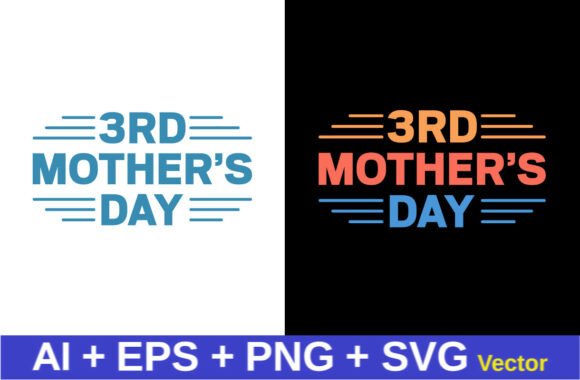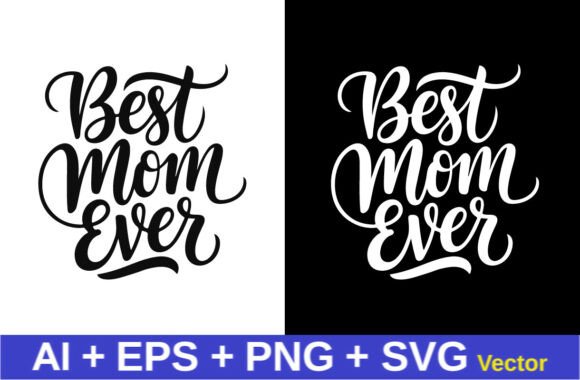
Mom Tshirt Design, Mother’s Day Vector
As a designer who’s stitched over 300 custom embroidery projects—from boutique baby onesies to wholesale apron lines—I opened Mom Tshirt Design, Mother s Day Vector expecting something sweet but safe. What I found was more nuanced: a clean, balanced vector that breathes well on fabric—but only if you treat it like the thoughtful design asset it is, not just a quick clipart fix.
Last week, I used it for a small-batch run of linen tea towels for a local gift shop. The client wanted “warm but not cutesy,” “mom-focused but inclusive,” and “embroidery-ready—not just print-ready.” That’s when Mom Tshirt Design, Mother s Day Vector earned its keep. Its open negative space, moderate line weight, and centered composition translated beautifully into satin-stitched lettering with a subtle leaf motif—no digitizing overhaul needed.
A First Stitch Tells You Everything
The design reads as gentle confidence—not bubbly, not solemn, but quietly proud. It leans into classic motherhood symbolism without cliché: no cartoon hearts, no exaggerated script, no forced symmetry. The layout leaves room for breathing—critical when converting from screen printing or DTG files to machine embroidery. That “easy to use” note in the description? It holds up—if you respect the design’s natural rhythm.
I tested it across three real-world substrates: a medium-weight cotton tote (light stabilizer), a French terry sweatshirt (cutaway + topping), and a 100% cotton baby onesie (tear-away + light topping). On all three, the stitch clarity held. No thread nesting in corners. No distortion in curves. The letterforms stayed legible even at 3.2 inches wide—the size most small shops use for chest placements.
Where It Shines—and Where It Asks for Care
Mom Tshirt Design, Mother s Day Vector works especially well for:
- Embroidered patches — Its clean edges and consistent stroke weight digitize cleanly into satin borders and smooth fill areas.
- Tote bag design — The centered, slightly vertical proportion fills a standard 4x4 hoop without crowding.
- Baby embroidery — Soft curves and no fine interior details mean fewer skipped stitches on delicate knit fabrics.
- Holiday embroidery for gifting — It reads clearly at arm’s length, making it ideal for handmade products meant to be seen and cherished, not just worn.
- Small shop product branding — Its warmth supports boutique voice without demanding attention like a logo would.
But it’s not universally forgiving. Use caution on:
- Curved surfaces like caps — The design wasn’t built for high-crown digitizing. You’ll need to adjust pull compensation and possibly simplify inner contours.
- Thin or stretchy fabric — Without proper stabilizer, the outer satin stitch can ripple. Always test on scrap first—even if the file claims “DTG-ready.”
- Dark fabric with light thread — The design relies on contrast, not texture. If your white thread lacks opacity, consider a second underlay pass or switching to a matte poly thread.
- Products requiring frequent washing — While the vector itself is solid, stitch density matters more than art here. Confirm fill stitch spacing before production—tighter isn’t always better for longevity.
What It Does for Your Craft Business—Beyond the Hoop
This isn’t just a machine embroidery design. It’s a quiet trust-builder. When a customer orders a personalized gift and sees this stitched cleanly onto a kitchen towel or pillow cover, they don’t see “vector file”—they feel intention. That matters for Etsy sellers and craft fair vendors alike. Handmade presentation hinges on consistency, and Mom Tshirt Design, Mother s Day Vector delivers that baseline polish without demanding advanced digitizing skills.
For commercial embroidery shops, it’s a reliable mid-tier option—more distinctive than generic “Mom” fonts, less labor-intensive than full applique designs. And for digital product sellers? It’s a strong candidate for a curated Graphics bundle—especially paired with coordinating floral accents or minimalist frames.
Practical Designer Notes You’ll Actually Use
Before stitching your first finished product, do these five things:
- Test on scrap fabric — Not just the same fiber, but the same weight and finish as your final piece.
- Check thread color contrast — View your chosen thread against both light and dark mockups. A soft sage green may vanish on olive linen; a warm terracotta pops on cream but fades on rust.
- Review stitch density — Especially in curved letter terminals and leaf tips. Overly dense satin stitch = stiff fabric and higher thread breakage risk.
- Confirm hoop size compatibility — Even if the design fits in a 5x7, ask: does it *breathe* there? Or does it force you to compress detail unnaturally?
- Verify licensing — Since this is listed under Crafts and Graphics, confirm whether resale of stitched items is permitted—and whether digital redistribution (e.g., in an embroidery kit) is allowed.
Also worth noting: while the description says “made for both boys and girls,” the visual tone skews gently feminine—not exclusionary, but not aggressively gender-neutral either. If you’re building inclusive holiday collections, consider pairing it with a companion design that uses bolder geometry or earthier motifs.
Final Thought: A Design That Supports, Not Steals, the Moment
Mom Tshirt Design, Mother s Day Vector doesn’t shout. It settles. That’s its strength—and its quiet power in real embroidery work. It gives space to the person wearing it, the hands stitching it, and the story behind the gift. In a market flooded with over-digitized, over-embellished holiday assets, this one earns its place by knowing exactly how much it needs to say—and when to let the fabric, the thread, and the love do the rest.