Mother s Day Card MOM Bear Postcard_30 Design Review
The First Glance Feels Like a Handmade Hug
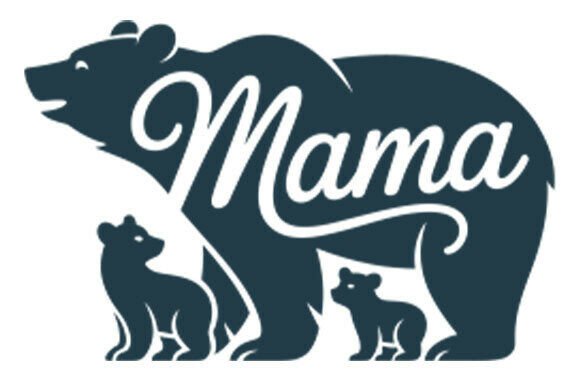
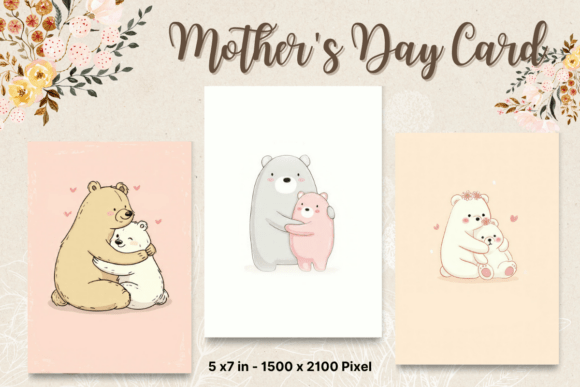
When I first opened Mother s Day Card MOM Bear Postcard_30, the immediate impression was warmth. Not the kind of warmth that a generic floral clipart piece might give off, but something closer to what you would expect from a carefully illustrated children's book. The bear motif carries a softness that immediately suggests connection, comfort, and the kind of sentiment that makes a Mother s Day gift feel personal rather than store-bought. The layout reads like a postcard, which adds a layer of nostalgia that works beautifully for handmade projects.
As someone who regularly evaluates design assets for embroidery and craft business use, I look for pieces that tell a small story in a single frame. This one does. The composition feels balanced without being stiff, and the typography for MOM sits naturally alongside the bear illustration rather than competing with it. It is the kind of graphic that makes you want to test it on a soft cream sweatshirt or a natural linen pillow cover right away.
What Kind of Project This Graphic Naturally Belongs To
I can picture this design used in a dozen different handmade contexts before I even finish my first cup of coffee. A custom embroidered tote bag with this postcard-style graphic stitched onto the front pocket would be a standout piece at a spring craft fair. A personalized sweatshirt featuring the bear and MOM lettering, perhaps with a child's name added below, would move quickly in an Etsy shop during the weeks leading up to Mother s Day. The postcard framing gives it structure that holds up well on flat surfaces like pillow covers, tea towels, and blanket corners.
For small business owners who sell handmade products at markets or through online storefronts, this design asset offers a clear thematic anchor. You can build an entire mini collection around it. Pair it with coordinating solid colors, add a simple border, and you have a cohesive product line that feels intentional rather than randomly assembled. The Graphics category listing makes sense here because the file works as a digital asset that can be resized and adapted across multiple product types without losing its core personality.
Real-Life Scenario: A Custom Boutique Order
Let me walk through a realistic situation. A customer reaches out in early April, looking for a custom embroidered apron for her mother. She wants something sweet but not overly childish, and she mentions that her mother still keeps old postcards from family trips. The Mother s Day Card MOM Bear Postcard_30 graphic immediately comes to mind. The postcard framing would resonate with that personal story, and the bear illustration adds tenderness without tipping into cartoon territory.
I would resize the graphic to fit the apron bib area, run a test stitch on a scrap piece of cotton canvas, and check how the details translate into thread. The high-resolution JPG file gives me a clean reference to work from, whether I am digitizing the design myself or sending it to a digitizer. The scaling flexibility mentioned in the description is essential here. An apron bib has a different proportion than a cap front or a patch, and being able to resize without losing clarity is a practical advantage for any craft business handling varied customer requests.
Where the Design Performs Best
After testing similar postcard-style graphics on different substrates over the years, I have a mental map of where a design like this shines. Flat, stable fabrics with a smooth weave tend to produce the cleanest results. Think pillow covers in cotton or linen, tea towels with a tight weave, tote bags made from medium-weight canvas, and blanket corners on fleece or quilted material. The rectangular postcard shape naturally suits these surfaces and does not require awkward cropping or distortion.
On custom apparel like sweatshirts and t-shirts, the design holds up well on the chest or upper back area. The MOM lettering reads clearly, and the bear illustration remains recognizable even at moderate stitch densities. For Etsy sellers and small shop owners, this kind of versatile graphic becomes a year-round asset, not just a seasonal one. While it is clearly themed for Mother s Day, the sentiment is broad enough to work for birthdays, baby showers, or any occasion celebrating maternal relationships.
I also see potential for printable mockups and digital product previews. If you sell finished embroidered items online, using this graphic in a styled flat lay or framed mockup can help buyers visualize the final product. The high-resolution JPG format supports this kind of promotional use without pixelation or blurring.
Surfaces and Situations That Require Extra Caution
Not every product is a good fit, and I think it is important to be honest about that. Small hoop sizes can be a challenge with postcard-style graphics because the rectangular proportions may need to be reduced significantly, which risks losing the finer details like the bear's facial features or the postcard border corners. If you are working with a 4x4 inch hoop, test the resized version carefully on scrap fabric before committing to a finished piece.
Textured fabrics such as thick terry cloth, chunky knit sweaters, or heavily napped fleece can disrupt the clean lines of the postcard border. The bear illustration may lose some of its softness when stitches sink into uneven surfaces. Stretchy fabrics like performance knits or thin jersey require extra stabilizer and careful hooping, especially around the edges of the rectangular frame where distortion can become noticeable.
On curved surfaces such as caps or hats, the postcard shape does not naturally conform to the contour. The design may appear warped or the borders may curve awkwardly. If a customer insists on a cap placement, I would suggest testing a smaller, centered version of the bear and MOM lettering without the full postcard frame. Dark fabrics also require attention. The JPG file allows you to preview the design on different backgrounds, and I recommend checking it in black and white mockups to see how the contrast holds up. Thread colors that look vibrant on a light background can disappear on charcoal or navy.
How the Graphic Affects Perceived Product Value
There is a quiet professionalism in a design that knows what it is trying to say. Mother s Day Card MOM Bear Postcard_30 communicates tenderness without shouting. For a handmade product, that restraint translates directly into higher perceived value. Customers associate clean, thoughtful design with quality craftsmanship. When they see this postcard-style graphic on a finished item, they are more likely to trust the product's overall construction because the surface design sets a confident tone.
This matters for brand consistency too. If your shop sells sentimental gifts with a modern, understated aesthetic, this graphic fits right in. The bear illustration is charming but not cloying, and the MOM lettering is straightforward enough to pair with other design elements without clashing. Buyer engagement often starts with a visual first impression, and this design asset makes a strong one.
The giftability factor is high. A tote bag or pillow cover featuring this graphic feels like a present someone would be excited to give, not just a generic item picked up at the last minute. The postcard theme inherently suggests a message, a memory, a moment worth keeping. That emotional hook is what turns a casual browser into a buyer.
Practical Embroidery Designer Notes
Before you commit this graphic to a finished product, there are several steps I always recommend taking. First, test the design on scrap fabric that matches the weight and texture of your final substrate. A design that looks crisp on a computer screen can behave differently under thread tension, especially around the postcard border corners and the bear's smaller facial details.
Second, check thread color contrast thoroughly. The high-resolution JPG gives you a good reference, but thread colors in real life have sheen and texture that can shift the overall look. Hold your test stitch under different lighting conditions, including natural daylight and warm indoor light, to see how the colors read.
Third, review stitch density carefully if you are digitizing the design yourself. The bear illustration likely contains areas that would benefit from a mix of satin stitch and fill stitch, while the postcard border might work best with a clean running stitch or a light satin outline. Overly dense stitching on a lightweight fabric can cause puckering, especially around the rectangular frame edges.
Fourth, confirm your hoop size before starting. The listing notes that the file can be resized, which is helpful, but you still need to map out the exact dimensions you plan to stitch. A design that fits comfortably in a 5x7 inch hoop may look cramped in a 4x4 inch area. Measure twice, stitch once.
Fifth, inspect the small details in a test stitch. The bear's eyes, nose, and any subtle shading around the postcard frame need to remain clear and distinct. If the details blur together, consider simplifying the stitch path or slightly enlarging the design.
Sixth, use proper stabilizer for your fabric type. On a cotton tote bag, a medium-weight cutaway stabilizer usually suffices. On a stretchy t-shirt, you may need a fusible mesh stabilizer to prevent shifting. The postcard border is unforgiving when it comes to distortion, so stabilizer choice is not the place to cut corners.
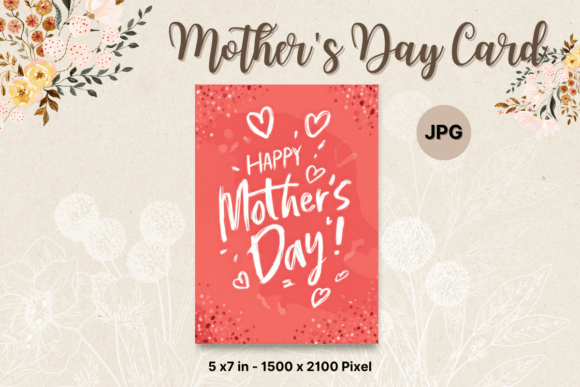
Finally, confirm licensing terms before selling finished items or digital products. The listing states this is a digital download only and is not an SVG file. You receive one high-resolution JPG. If you plan to use this graphic for commercial embroidery projects or digital product resale, verify that your intended use aligns with the included license. This is standard practice for any design asset you incorporate into revenue-generating work.
Blending the Graphic into a Broader Product Line
One of the smartest ways to use Mother s Day Card MOM Bear Postcard_30 is as part of a coordinated seasonal release. Pair it with a matching baby bear graphic for children's items, or create a companion design that features a similar postcard frame with a different message. Boutique branding thrives on visual cohesion, and this design asset provides a strong foundation piece.
For craft fair products, consider offering the design on multiple item types at different price points. A small embroidered patch at one tier, a tea towel at another, and a premium sweatshirt at the top end. The consistent graphic ties the display together and makes your booth feel curated rather than cluttered. Handmade presentation matters, and a unified design language helps customers remember your shop long after they leave.
I also appreciate how this graphic can work for nursery decor beyond the Mother s Day season. The bear and postcard theme has a timeless quality that suits a child's room, a baby shower gift, or a keepsake blanket. That versatility extends the design's useful life in your inventory and justifies the time you invest in testing and perfecting the stitch file.
Final Thoughts from a Working Designer's Perspective
What I value most about Mother s Day Card MOM Bear Postcard_30 is its clarity of purpose. It does not try to be everything at once. It knows its audience, understands its occasion, and delivers a visual message that feels genuine. In a market flooded with overly complex graphics and trend-chasing motifs, a design that simply says this is for someone you love stands out.
For embroidery designers, creative entrepreneurs, and handmade shop owners, this graphic asset offers a solid starting point for a range of heartfelt products. The high-resolution JPG format allows for flexible resizing, and the postcard layout provides a structured canvas that adapts well to multiple surfaces. Just remember to test thoroughly, choose your fabrics wisely, and always keep the end customer's emotional experience in mind. A well-stitched bear on a thoughtfully chosen tote bag is not just a product. It is a small moment of connection, and that is exactly what makes this craft worth doing.