Opossum Mom: A Woodland Face Full of Crafty Character
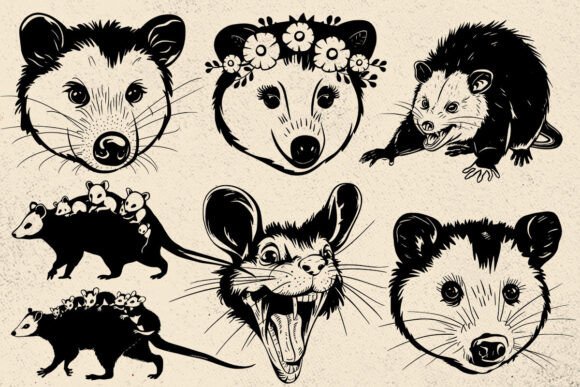
As a designer who spends more time thinking about stitches than anything else, I look at a new embroidery file with a very specific eye. I’m not just judging the art; I’m imagining the thread, the fabric, and the finished product in someone’s hands. So when I see Opossum Mom, Possum Face, woodland Animal, my first thought isn’t just “cute.” It’s “Where would this look best stitched, and who would love it?”
The Quiet Charm of a Woodland Visitor
This design has a gentle, observant personality. It’s not a loud or cartoonish graphic; it’s a serene, detailed woodland face that feels both whimsical and natural. That balance is its real strength. The mood it creates is one of quiet curiosity and rustic charm, which opens up a wonderful range of project possibilities. You can imagine it on a cozy, heirloom-style item just as easily as on a modern, minimalist tote bag. The detail level suggests it will translate beautifully into embroidery, where the textures of satin stitch and fill stitch can bring those subtle features to life.
Where This Possum Face Finds Its Home
In practical terms, this is a versatile graphic. For crafters and small business owners, that’s gold. Let’s walk through a real scenario: a client requests a custom gift for a nature-loving friend. You’re considering a high-quality organic cotton apron or a linen pillow cover. Opossum Mom, Possum Face, woodland Animal fits perfectly. Its theme is niche enough to feel special and personalized, but broad enough to appeal to anyone who appreciates wildlife or rustic decor. Stitched onto that apron, it becomes a unique kitchen statement. On the pillow, it contributes to a calm, woodland-themed room. The layout feels centered and stable, ideal for a focal point on apparel like sweatshirts or t-shirts, or as a standout element on baby items like a blanket or nursery decor, where that gentle expression is key.
From Digital File to Stitched Product: Visual Impact
When you move from the digital file to the actual embroidery project, consider how the design’s clarity will build trust. A clean, well-defined stitch-out of this possum face on a handmade product speaks volumes. It tells your customer—whether it’s a gift recipient or an Etsy buyer—that care was taken. It elevates the perceived value of a tote bag, a tea towel, or a cap. For creative entrepreneurs, this kind of professional finish reinforces brand consistency. It looks intentional and crafted, not hastily applied. That directly affects buyer engagement; people connect with a product that has a clear, charming story, and this design provides that story effortlessly.
The Practical Ground for Successful Stitching
Of course, charm on screen needs careful translation to fabric. This design, with its likely intricate details around the eyes and ears, requires thoughtful execution. For optimal stitching clarity, test the design on scrap fabric first. This is my universal rule. It allows you to check thread color contrast, review stitch density in those detailed areas, and confirm your chosen hoop size can capture all the elements without compression. Pay close attention to the small details in your test run.
Given the description listing multiple file types like SVG, EPS, PNG, and DXF, you have flexibility for different machines and software. However, always confirm the specific embroidery file compatibility and licensing for your intended use before proceeding with commercial projects or selling finished items. The provided formats are great for digital product sellers creating mockups or for applique design paths, but the final machine embroidery file parameters are crucial for stitchers.
Navigating Fabric Choices and Project Limits
Opossum Mom, Possum Face, woodland Animal would shine on stable, medium-weight fabrics. Think cotton twill for a tote, linen for a pillow cover, or a good quality cotton-poly blend for a sweatshirt. These fabrics support the detail well. Use a proper stabilizer to keep everything crisp.
There are places to use this design carefully. On very small hoop sizes, the fine details might get lost or become overly dense. On highly textured or stretchy fabric, like a thin jersey knit, the possum’s delicate features could distort. Embroidering on dark fabric will require a thoughtful thread color palette to maintain visibility and contrast—test it in black and white mockups to preview this. Also, consider the product’s life: items needing frequent washing, like kitchen towels or baby clothes, benefit from a robust stitch-out, so ensuring the design isn’t too delicate in key areas will aid longevity.
Final Thoughts for the Maker’s Workflow
Ultimately, this woodland animal graphic is a strong design asset. It has the visual personality to make a handmade product feel giftable and special. For the embroidery designer preparing for a real project—whether it’s holiday gifts, boutique merchandise, or a simple personalized patch—the process is straightforward. Evaluate it against your fabric. Imagine it on the final product. Test it thoroughly. Then, let the stitches turn that quiet, observant possum face into a tangible piece of crafty charm. It’s a design that feels ready to work, and that’s exactly what you need when your goal is a beautiful, well-loved finished product.