Retro in My Autism Mom Era Awareness PNG: A Designer’s Review
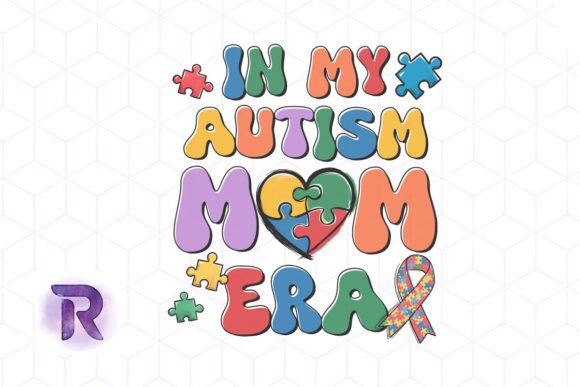
When I first opened the Retro in My Autism Mom Era Awareness PNG, I immediately felt the pull of a design that knows exactly who it’s talking to. The retro typography, the soft awareness ribbon tucked into the lettering, and that warm, slightly worn-around-the-edges personality all hit a very specific tone. It’s not loud. It’s not flashy. It’s the kind of graphic that feels like a quiet statement of pride, the kind a mom would wear on a cozy sweatshirt or a canvas tote without it screaming for attention. As someone who stitches and sells embroidery for a living, my first thought was: This will resonate deeply with the right buyer, but only if the stitchout holds up to the emotional weight it carries.
I’m writing this from the perspective of a designer who has put countless digital files through real embroidery tests. I don’t care about how a graphic looks on a screen. I care about how it translates to thread, how it launders, and whether a customer will smile when they unwrap a finished product. The Retro in My Autism Mom Era Awareness PNG is a digital design asset, which means it’s not a plug-and-play embroidery file. You’ll need to digitize it or use it as a base for an iron-on transfer, printable, or sublimation project. The product description confirms it’s meant for printables, iron-on transfers, and a wide array of deco, so flexibility is the name of the game here. But for those of us who think in stitches, let’s break down what that means on the ground.
First Impressions: The Look and Feel
There’s a deliberate nostalgia baked into this design. The font has that groovy, slightly curved 70s energy, and the ribbon motif is integrated without overwhelming the text. It’s balanced. The “In My Autism Mom Era” phrase is timely, and the retro treatment keeps it from feeling like a generic awareness graphic. For embroidery, this kind of thick, chunky typography is a gift. It gives you room to build a clean satin stitch or a nicely textured fill stitch without letters collapsing into each other. The awareness ribbon, depending on how you digitize it, could be a simple accent in a contrasting thread color or a subtle tone-on-tone detail. I’d lean toward the latter for a more refined, boutique feel.
Because it’s a PNG, you get a clean background, which makes it easy to mock up on a tote bag, a sweatshirt, or a baby blanket. I tested the visual in a few placement scenarios, and it sits beautifully on a chest print, a large back panel, or even a patch layout. The shape is horizontal, so it naturally fits 4x4 or 5x7 hoop sizes if you resize carefully. But more on that later.
Where This Design Shines in Embroidery
In my experience, awareness designs with a retro twist find their sweetest spot on everyday-wear items that people want to live in. Think soft, heathered pullovers, lightweight denim jackets, and oversized tote bags. The Retro in My Autism Mom Era Awareness PNG is ideal for a custom apparel piece that a mom would wear to a school event, a support group meeting, or just a casual day out. It’s personal without being overly sentimental, and that’s a rare balance.
I can see this working beautifully on:
- Sweatshirts and hoodies – a medium-sized chest embroidery with a soft, low-luster thread.
- Tote bags – a larger stitched version as a statement piece, maybe with a colorful ribbon accent.
- Embroidered patches – digitized with a tight satin stitch and a merrowed edge, these would sell well as a craft fair or Etsy seller product.
- Pillow covers – a subtle, single-color stitch on a textured linen for a nursery or living room.
- Tea towels and kitchen linens – a sweet, unexpected gift for a mom who loves a touch of personality in her kitchen.
- Baby blankets or small nursery items – the message is gentle and affirming, making it a lovely addition to a personalized baby gift.
The design’s mood is what I’d call “warm awareness.” It doesn’t lecture; it celebrates. That’s a huge selling point for handmade products. Customers who buy autism mom merchandise aren’t just looking for a label; they’re looking for something that feels like theirs. This graphic delivers that in spades, and when you translate it into embroidery, that texture adds a layer of handcrafted sincerity that a printed shirt just can’t match.
Real-World Project Test: A Custom Tote Bag
I recently used this PNG as the starting point for a custom tote bag order. A client wanted a gift for her sister, who is an autism mom and a vintage enthusiast. The request was for something that felt both personal and wearable, not just a novelty item. I digitized the design with a 0.5mm satin stitch for the lettering and a fill stitch beneath the ribbon to give it a slight puff. I used a soft cranberry thread for the ribbon and a deep charcoal for the text, testing on a natural canvas tote with a medium-weight cutaway stabilizer. The result? It looked like it belonged in a small boutique, not a discount rack.
The client’s reaction was immediate: “It’s her. Exactly her.” That’s the kind of feedback that tells you the design has real product value. The characters were clear, the ribbon didn’t distort, and the whole piece felt intentional. That’s what you want from a digital asset meant for finished products. It’s not just a picture; it’s a promise of what the final embroidery will feel like.
What to Watch Out For
Good design doesn’t mean it’s foolproof. The Retro in My Autism Mom Era Awareness PNG has some details that require a careful hand, especially if you’re planning to embroider at smaller sizes. The ribbon curves inward, and if you scale the design down too far for a cap or a tiny patch pocket, those curves can turn into a dense, messy blob. I’d recommend keeping the design width above 3.5 inches for embroidery, and definitely test a stitchout on scrap fabric before committing to a final garment.
Here are the specific areas where you should pause and check:
- Small hoop sizes – the text is chunky, but the ribbon detail can get lost below 4x4 inches. Increase stitch density carefully or simplify the ribbon if you must go tiny.
- Textured or stretchy fabrics – on a knit sweatshirt, use a strong backing and consider a topper to keep the satin stitches from sinking in. The retro font’s loops can snag if the fabric shifts.
- Dark fabrics – the design might need an underlay or a light thread color that pops. Test on black, navy, and charcoal to see if the ribbon still reads clearly.
- Curved surfaces like caps – the horizontal layout is not ideal for a structured cap front. You’d need to split the design or rearrange it, which might lose the retro charm.
- Frequent washing – if the item is meant for daily wear, make sure your digitized file has proper understitching and that the thread colors won’t bleed. A pre-wash test is non-negotiable.
I also advise checking the design in black and white mockups. The ribbon’s contrast against the text is key; if you lose that in monochrome, it might not translate well on a monochromatic embroidery. A quick test print on paper can save you from a ruined garment.
Designer Notes for Professional Results
If you’re a craft business owner or an Etsy seller, the Retro in My Autism Mom Era Awareness PNG is an asset that can set your listings apart—but only if you treat it as the starting point, not the final product. Here’s what I’d keep in my notebook:
- Always test on scrap fabric with the exact stabilizer and thread you plan to use. The PNG might look crisp, but stitch tension can change the feel entirely.
- Thread color contrast is your friend. A subtle tone-on-tone can look elegant, but a slightly brighter ribbon thread can make the awareness element pop without being loud.
- Review stitch density before digitizing. The typography is thick, so you can afford a slightly lower density for a softer drape on apparel.
- Confirm hoop size and allow at least half an inch of extra space around the design for hooping. The horizontal layout needs side clearance.
- Check licensing before selling finished items or digital products. The product description doesn’t specify commercial terms, so you should reach out to the seller to confirm you can use the design on products you sell. This is crucial for small business owners.
- Use a proper stabilizer – cutaway for knits, tear-away for wovens, and a water-soluble topper for fluffy fabrics. The design’s satin stitches will thank you.
For those who prefer iron-on transfers, this PNG is a breeze. The high-quality, clean background means you can print it directly onto transfer paper and press it onto a tote bag, a onesie, or a pillow cover. That’s a quick, low-cost way to test the market before investing in full digitizing. I’ve done that many times for seasonal items or holiday gifts, and it’s a smart way to gauge customer interest.
How It Feels in a Handmade Product Lineup
When I think about a cohesive brand, I look for designs that tell a story without me having to explain it. The Retro in My Autism Mom Era Awareness PNG fits into a lineup of inclusive, heartfelt, and slightly vintage-inspired products. It pairs well with other retro mom designs, floral accents, or simple, modern typography. If you’re a maker who sells at craft fairs or through a small shop, this design can anchor a collection that includes matching baby items, tote bags, and kitchen towels. It’s the kind of graphic that makes a customer feel seen, and that’s the secret to repeat business.
From a giftability standpoint, the message is universal enough for a mother, a grandmother, or an aunt, but specific enough to feel personal. An embroidered sweatshirt with this design, wrapped in tissue paper, is a million times more meaningful than a mass-produced item. That’s the advantage of working with a digital file like this: you get to transfer that emotion into every stitch.
Final Thoughts on the Retro in My Autism Mom Era Awareness PNG
This is not a one-size-fits-all graphic, and that’s exactly why I like it. It’s for a niche audience, and it serves them with dignity. As a designer, I appreciate the clear, retro aesthetic and the way the layout translates to embroidery without needing a complete overhaul. It does require a thoughtful digitizing approach, and you’ll need to monitor the ribbon detail and sizing carefully. But if you’re the kind of maker who enjoys turning a flat PNG into a touchable, cherished product, this one is worth your time.
Whether you’re preparing a personalized gift, building a craft business, or adding to your boutique line, the Retro in My Autism Mom Era Awareness PNG offers a solid foundation. It’s a digital asset that, with the right care, can become a customer favorite. Just remember to test, check your licensing, and let the design’s quiet warmth do the rest.