Mom Definition Happy Mother’s Day: A Designer's Hands-On Review
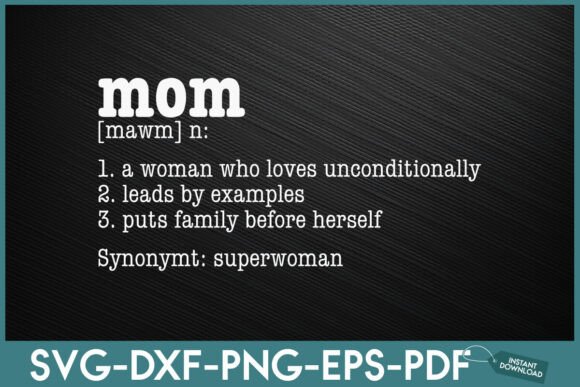
When I first opened the Mom Definition Happy Mother’s Day embroidery file, my immediate reaction was a smile. It’s one of those designs that feels familiar and warm—a classic sentiment delivered with clean, modern typography. The layout is straightforward, centered, and built for clarity. This isn’t a fussy, overly ornate piece; it’s a confident statement. That visual personality tells me this design belongs on products meant to convey genuine affection, not just trendiness. The mood is celebratory and appreciative, perfect for the heart of the holiday.
Where This Design Finds Its Home: Real Project Fit
In my studio, I think about application before I even thread the machine. This design naturally gravitates toward gift-oriented and personal items. I pictured it immediately on a cozy, high-quality sweatshirt—a classic Mother’s Day gift from a family. It would work beautifully on a linen tote bag for a mom who carries everything, or as a delicate accent on a baby’s blanket or a nursery pillow cover. For small business owners, this is a strong candidate for a spring craft fair table: embroidered kitchen towels, simple apron pockets, or ready-to-ship personalized pillow covers. The theme is universal, but the execution feels premium enough for boutique merchandise.
I recently used a similar sentiment for a custom order: a client wanted a keepsake for her mother—a canvas tote bag with a simple, meaningful phrase. The Mom Definition Happy Mother’s Day design would have been an ideal fit. The client’s priority wasn’t complexity; it was readability and emotional resonance. When stitched, a clean design like this looks professional and heartfelt, which directly boosts customer trust and the perceived value of your handmade product.
The Stitching Reality: Performance and Pitfalls
Let’s talk about how this file will behave when the needle starts moving. The description notes it includes multiple file formats (DXF, EPS, SVG, PDF, Transparen), which is excellent for flexibility across software and machines. However, as an experienced embroiderer, my advice is always to test on scrap fabric first. This is crucial for any design, especially one with lettering.
Because the design relies on its text, stitch density and small detail integrity are paramount. On a curved surface like a cap, the longer lines of text might require careful stabilization and possibly a slightly larger hoop size than you’d use for a compact logo. On stretchy fabrics like t-shirts, you’ll need a robust stabilizer to prevent puckering and keep those letters crisp after wear and washing.
Thin or textured fabrics can also pose a challenge. If you’re planning to put this on a delicate tea towel or a ribbed knit, the fill stitches in the letters need to be balanced—too dense, and it stiffens the fabric; too sparse, and it loses visual impact. Always check thread color contrast, too. Stitching this on a dark fabric will require a bright, opaque thread, perhaps with a slightly higher stitch density for the letters to pop.
When to Exercise Caution
There are a few scenarios where I’d approach this design with extra planning. Tiny hoop sizes might compromise the readability of the definition text. If you’re miniaturizing it for a small patch or a baby garment corner, inspect the small details in your software first to ensure the lettering doesn’t become a blurred mess. Also, for products destined for frequent, vigorous washing—like everyday kitchen towels or kids’ apparel—a simpler, denser stitch style might hold up better over years than very fine details.
Impact on Your Business and Craft
Beyond the technical stitch, this design affects your work’s broader appeal. For Etsy sellers and digital product sellers, clean graphics like this make for excellent printable mockups and digital product previews, showing customers a clear, professional final product. Its universal theme aids in giftability and recognition, making it an easy sell for holiday shoppers.
For brand consistency, if your shop focuses on heartfelt, family-oriented products, this design slots in perfectly. It reinforces a warm, handmade presentation. When a customer sees this embroidered on a product, they’re not seeing a generic graphic; they’re seeing a crafted item with a clear, emotional message. That engagement is what turns a viewer into a buyer.
Practical Notes Before You Hoop
Here is my standard pre-flight checklist for a design like Mom Definition Happy Mother’s Day:
- Run a test on a scrap of your target fabric, using your intended stabilizer.
- Check the design in both black and white mockups to gauge its performance on light and dark backgrounds.
- Review the stitch density in your embroidery software, especially for the fill areas.
- Confirm the hoop size needed to maintain clarity, particularly for the text elements.
- Plan your thread colors—consider a classic palette for a timeless look, or a modern combo for a fresh twist.
- Most importantly, confirm the licensing terms provided with the files. Understand clearly whether it’s suited for personal projects, commercial embroidery, or resale as a finished product. This is fundamental for craft businesses and commercial projects.
This design, as a Graphics product in the Crafts category, is ultimately a tool. Its value is realized in your skilled hands. It’s a versatile, emotion-driven asset that, when stitched with care, transforms into a product that feels both personal and professional. It’s not the most intricate file you’ll own, but its strength is in its clear purpose and ready-to-apply charm. For the maker looking to create something meaningful for Mother’s Day—whether for a single gift or a whole product line—Mom Definition Happy Mother’s Day is a reliable, effective choice.